
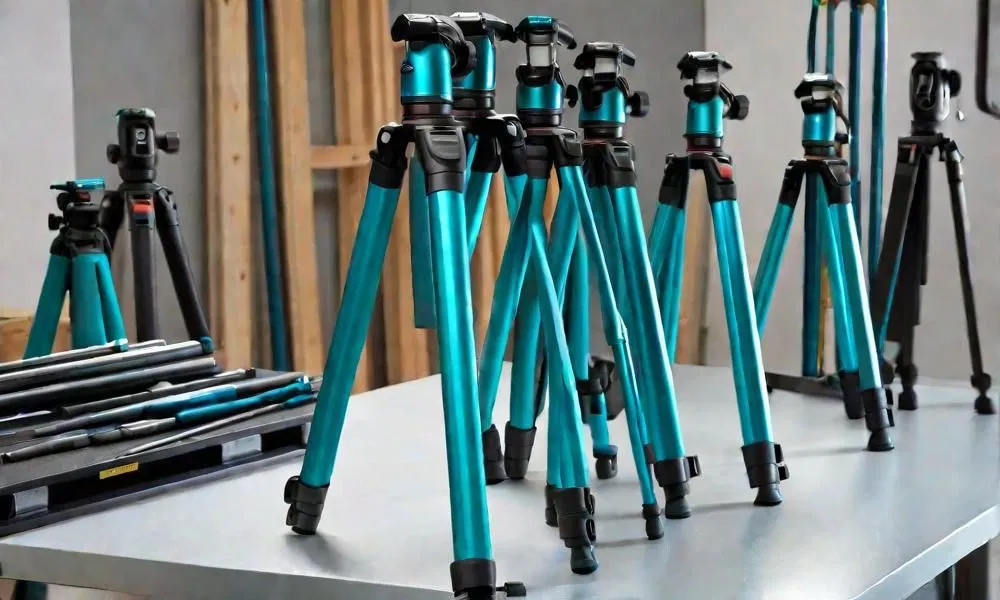
Professional photography and videography demand absolute stability. Whether you are capturing high-speed commercial action or executing meticulous landscape panoramas, your support system is the silent foundation of every razor-sharp frame. Yet, even premium gear subjected to harsh environmental elements will eventually exhibit wear. At TripodRepair, we understand that proactive upkeep is the definitive barrier between flawless field performance and catastrophic equipment failure.
In this comprehensive guide, we examine the essential strategies required to maintain your investment, highlight the 2026 industry shift toward meticulous cleaning over heavy lubrication, and outline exactly when to perform routine maintenance versus when professional intervention is required.
Seasonal Care
Protecting your high-end equipment requires a disciplined, cyclical approach to environmental exposure.
Environmental stressors such as coastal salt spray, fine desert silica, and sub-zero moisture pose immediate threats to internal mechanics. A proactive seasonal routine ensures that abrasive contaminants never harden inside your locking collars or twist mechanisms. We recommend conducting a comprehensive inspection at the transition of every season, paying rigorous attention to joints, tension rings, and leg extensions. By addressing minor grit buildup early, you eliminate the friction that leads to premature wear and expensive component replacements.

Cleaning Supremacy
Modern maintenance philosophy has experienced a definitive evolution. The 2026 industry standard firmly prioritizes rigorous cleaning over heavy lubrication.
Historically, technicians and hobbyists alike often over-greased twist locks and leg collars in an attempt to maintain smoothness. Unfortunately, viscous greases act as a magnet for airborne dust, fine sand, and studio particulate, transforming internal channels into grinding compounds. Our expert technicians advocate for pristine cleanliness. By keeping carbon fiber tubes and internal threads immaculate and dry, you ensure silky-smooth operation without inviting debris accumulation. When lubricant is applied, it must be restricted solely to metal-on-metal mating surfaces in microscopic amounts.
Disassembly Protocol
Executing a meticulous seasonal deep clean demands a structured, methodical procedure to safeguard delicate components.
We advise working on one leg section at a time to prevent misplacing internal bushings, shims, or collars. Follow this step-by-step instructional format for optimal results:
- Remove Footings: Unscrew the rubber or spiked feet from the bottom of each leg section and set them aside safely.
- Release Collars: Rotate the twist-lock collars completely counter-clockwise until they disengage from the upper housings.
- Extract Sections: Gently slide the inner leg tubes downward, capturing the sliding bushings and retention guides as they emerge.
- Scrub Threads: Submerge non-electronic parts in warm, neutral soapy water. Use a soft-bristled brush to meticulously clean internal threads and grooves.
- Rinse and Dry: Flush all components with clean water and allow them to air-dry completely overnight. Moisture trapped in enclosed spaces invites oxidation.
For specialized guidance on component identification during this process, consult our detailed resource on gitzo tripod parts.

Lubrication Rules
Knowing where and how to apply lubricants dictates the lifespan of your mechanical locking systems.
When reassembling your equipment after a thorough cleaning, apply a minimal film of manufacturer-approved synthetic grease exclusively to the threaded collars and specific metal bearing rims. Never apply oils, silicone sprays, or heavy greases directly onto carbon fiber leg tubes or rubberized hand grips. Excess lubricant on outer surfaces attracts immediate contamination, causing locks to slip under heavy payload weights. Maintaining a dry, tactile grip ensures optimal operational safety in high-pressure production environments.
Professional Standards
Recognizing the exact boundary between routine owner maintenance and professional intervention protects your valuable hardware.
While regular cleaning resolves minor grit and stiffness, structural compromises demand expert evaluation. If you encounter cracked leg tubes, bent casting spiders, or stripped internal threading, DIY adhesives and makeshift fixes will inevitably fail under professional studio loads. For comprehensive insights into structural evaluations, review our specialized guide on how to fix broken tripod leg setups safely.
When structural integrity is compromised, specialized machining and factory-grade replacement components are essential. For an in-depth look at maintaining composite materials, explore our carbon fiber tripod repair protocols.

DIY vs Repair
Deciding whether to service your gear independently or enlist specialist support depends entirely on the nature of the malfunction.
| Maintenance Level | Recommended Action | Typical Scenario |
|---|---|---|
| Routine DIY | Wash with fresh water, wipe down tubes, clean dust | Post-beach shoot, light field dust, seasonal cleaning |
| Advanced DIY | Disassemble twist locks, replace worn plastic bushings | Sticky locks, minor tension loss, gritty rotation |
| Professional Service | Send to TripodRepair for precision restoration | Cracked carbon tubes, seized fluid heads, stripped castings |
When simple cleaning and bushing replacements no longer restore your equipment to factory-fresh tolerances, professional intervention is necessary. Entrusting your precision tools to dedicated specialists ensures that alignment, torque specifications, and structural safety are flawlessly restored.
Secure Your Gear
Maintaining optimal equipment performance ensures that you never miss a critical shot due to unexpected mechanical failure.
At TripodRepair, our commitment to exceptional craftsmanship and meticulous diagnostics extends the operational lifespan of your vital production gear. Whether you need specialized component replacements, professional head calibration, or a comprehensive overhaul of your support systems, let us help you regain absolute confidence in the field.
Reach out to our expert team today via our contact us page, and let us help you capture every moment with uncompromised precision and stability.