
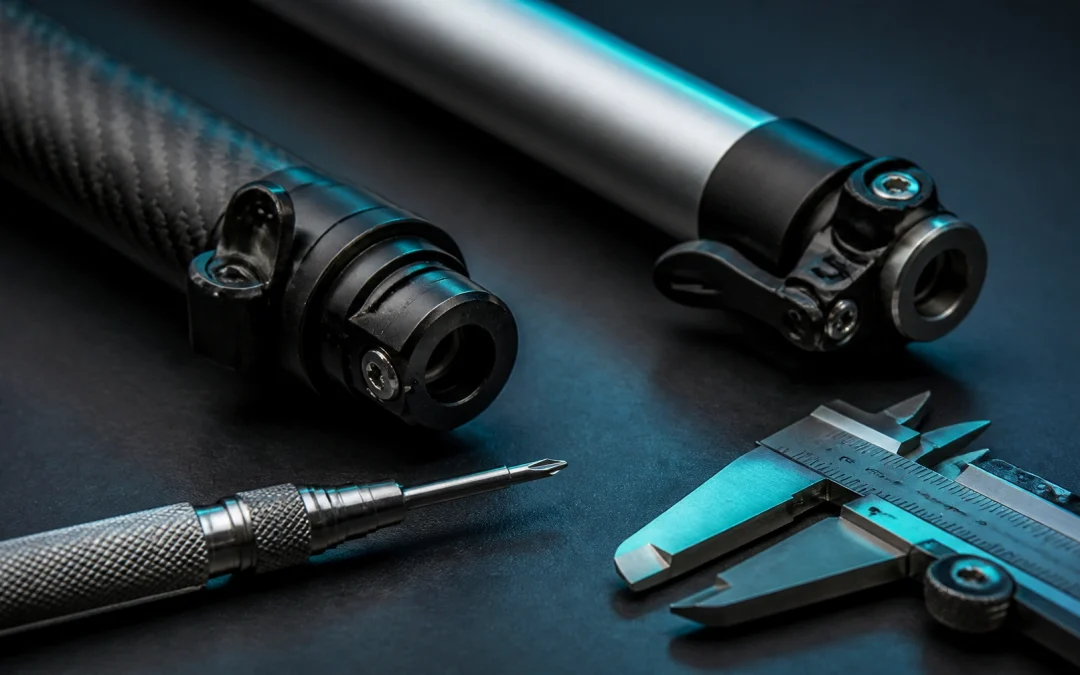
For professional photographers and videographers, a tripod is more than just a stand; it is a critical extension of their vision. However, as the industry moves deeper into 2026, we have observed a significant shift in how creators view their gear. It is no longer just about the initial purchase: it is about the lifecycle. The choice between carbon fiber and aluminum has traditionally been framed by weight and price, but the real differentiator emerges when that gear inevitably requires a professional touch.
At TripodRepair, we see the aftermath of rugged field use every day. Whether it is a delaminated carbon tube from a studio in New York or a bent aluminum leg from a landscape shoot in the Rockies, understanding the repairability of your equipment is essential for maintaining your competitive edge.
Aluminum: The Resilient Industrial Standard
Aluminum tripods have been the backbone of the industry for decades, and for good reason. They are celebrated for their predictable behavior under stress and their straightforward repair paths. In the world of tripod repair, aluminum remains a favorite for its "honest" failure points.
Straightening Bent Legs
Unlike composite materials, aluminum possesses ductility: it tends to bend before it breaks. If a leg section is kunked or slightly deformed during transport, our technicians can often employ precision cold-straightening techniques to restore its geometry. While significant creasing can compromise the structural integrity, a moderate bend is rarely a death sentence for an aluminum tripod.
Visible Structural Integrity
One of the primary benefits of aluminum is that damage is rarely hidden. If an aluminum leg is compromised, you can see the dent or feel the resistance in the glide. This transparency allows us to provide an honest, accurate assessment almost immediately. For studios managing large fleets of gear, this predictability is invaluable for budgeting and maintenance scheduling.

Carbon Fiber: High Performance, Complex Restoration
Carbon fiber has become the gold standard for travel and high-end professional use due to its incredible strength-to-weight ratio and vibration-dampening properties. However, its sophisticated construction means that repairing carbon fiber requires a different level of expertise.
Managing Internal Delamination
The primary challenge with carbon fiber is delamination: a process where the layers of carbon weave and resin begin to separate. This often occurs due to localized crush forces, such as over-tightening a leg lock or a side-impact against a sharp edge. Unlike aluminum, carbon fiber damage can be internal. A leg might look perfect on the surface but possess a "spongy" feel or produce a dull "thud" when tapped, indicating a loss of structural rigidity.
Precision Composite Bonding
In 2026, we have moved beyond the simple "replace the whole leg" mentality. While catastrophic fractures still require section replacement, minor delaminations and surface cracks can often be addressed through professional composite bonding. We use specialized resins and vacuum-curing processes to stabilize the material, ensuring that the leg can once again handle its rated load without the risk of a sudden, brittle failure.

The 2026 Revolution: Upgrading Your Components
A growing trend we are seeing this year is the proactive upgrading of tripod components. Many manufacturers, even high-end ones, occasionally use plastic bushings or leg locks that become the "weakest link" in an otherwise stellar piece of engineering.
Replacing Plastic Locks
One of our most requested services at TripodRepair involves replacing aging or broken plastic flip-locks with reinforced polymer or CNC-machined metal alternatives. These upgrades not only extend the life of the tripod but often improve the locking force, giving the photographer more confidence when mounting heavy cinema rigs or long telephoto lenses.
Reinforced Polymer Bushings
The internal bushings that allow tripod legs to slide smoothly are often the first things to wear out, leading to "leg play" or wobbling. We now offer high-performance replacement bushings that utilize self-lubricating materials, significantly reducing the maintenance interval and providing a smoother, more premium feel than the original factory parts.
Our Meticulous Repair Process
We believe in a transparent, step-by-step approach to equipment restoration. When you trust us with your gear, we follow a rigorous protocol to ensure it returns to you in "like-new" condition.
- Comprehensive Evaluation: We begin with a structural audit, using tap-tests and micrometer measurements to identify both visible and hidden damage.
- Honest Assessment: We provide a detailed report on whether a repair is economically viable or if a component replacement is the safer, more cost-effective path.
- Precision Disassembly: Our workshop is equipped with specialized tools designed to handle the delicate threads and adhesives used by brands like Gitzo, Manfrotto, and Sachtler.
- Specialized Fix: Whether it is straightening aluminum, bonding carbon fiber, or replacing worn-out leg locks, our technicians apply industry-leading craftsmanship.
- Quality Assurance: Every tripod is load-tested and checked for "glide-smoothness" before it leaves our facility.

Choosing Your Path: Repair or Replace?
In an era of disposable technology, we stand firm in our commitment to repairability. Choosing to fix your tripod is not only an environmentally conscious decision but also a financially savvy one. A high-quality carbon fiber tripod can cost upwards of $1,000; a professional repair or leg-section replacement at TripodRepair is a fraction of that cost.
Choose Aluminum if:
- You work in extreme environments where gear is frequently knocked around.
- You prefer a tripod that shows its history and can be easily assessed for safety.
- You are looking for the most straightforward and affordable repair paths.
Choose Carbon Fiber if:
- Weight and vibration reduction are your top priorities.
- You are willing to invest in professional maintenance to manage potential delamination.
- You want the highest possible performance and are prepared for more technical repair requirements.
Regain Confidence in Your Gear
Don't let a slipping lock or a wobbly leg compromise your next shoot. Whether you are a solo freelancer or a high-volume production studio, we have the niche expertise required to restore your equipment's functionality. At TripodRepair, we don't just fix tripods; we extend the life of your most trusted tools.
Let us help you capture every moment with the stability you deserve. Contact us today for a professional evaluation and experience the difference that meticulous craftsmanship can make.