
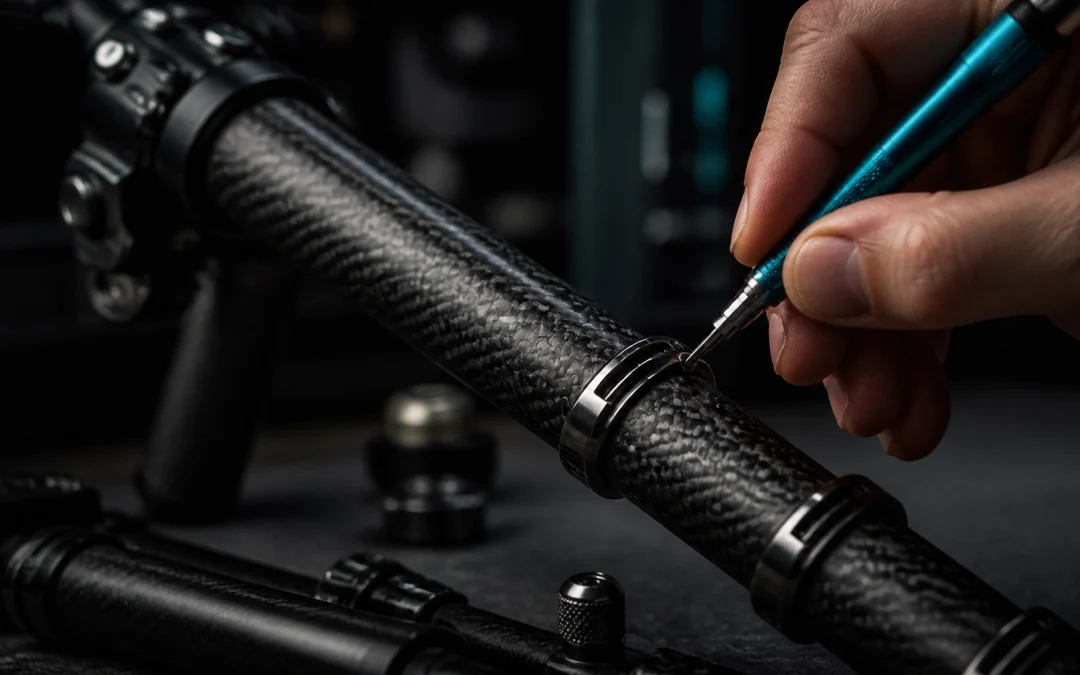
Carbon fiber tripods represent the pinnacle of photographic support, offering an unparalleled strength-to-weight ratio that professional photographers and videographers rely on in the field. However, the sophisticated composite nature of these tools requires a specialized approach to maintenance and repair. At TripodRepair, we understand that a high-end tripod is an investment in your craft. When that investment begins to show signs of wear, whether it’s a slipping leg lock or a structural rattle, it doesn’t mean the end of its service life.
As we move into 2026, the industry has shifted toward a more proactive maintenance philosophy. In this guide, we explore the complexities of carbon fiber tripod repair, identify common failure points such as galvanic corrosion and torsional fatigue, and outline the meticulous steps required to restore your equipment to factory specifications.
Mechanical Weakness in Composites
While carbon fiber tubes are incredibly rigid and resistant to tension, they are not invincible. Most failures in carbon fiber systems do not occur within the tubes themselves, but rather at the mechanical interfaces where the carbon meets metal or plastic.
Leg lock slippage
The most frequent issue we encounter is "leg creep" or slippage. Over time, the internal shims and rubber O-rings that provide the friction necessary for a secure lock can degrade. Dust, salt, and fine grit act as abrasives, grinding down the resin surface of the carbon fiber leg and reducing the effectiveness of the locking mechanism. Our comprehensive restoration process involves disassembling these locks, performing a precision cleaning, and replacing worn internal components to ensure a rock-solid grip.
Galvanic corrosion
A lesser-known but critical issue is galvanic corrosion. Because carbon fiber is electrically conductive, it can react with metal components, specifically aluminum and steel, when moisture or saltwater acts as an electrolyte. This chemical reaction leads to the accelerated corrosion of the metal hardware, often causing legs to seize or collars to fuse. We utilize specialized insulating barriers and marine-grade lubricants to mitigate this risk during our repair procedures, extending the lifespan of your gear even in harsh coastal environments.

Torsional fatigue
Carbon fiber is designed to handle vertical loads with ease, but it is susceptible to torsional fatigue. This occurs when the tripod is subjected to repeated twisting forces, often from over-tightening twist locks or forcing a stuck leg. Over time, these stresses can lead to internal delamination, the separation of the resin from the carbon fibers. This is a structural failure that requires expert evaluation. If you notice a "crunching" sound or a soft feel when applying pressure to a leg, it is a clear indicator that professional intervention is required.
Proactive Stability Audits
In 2026, professional studios and freelancers are increasingly adopting proactive stability audits. Rather than waiting for a failure to occur mid-shoot, we recommend a scheduled technical evaluation of your support systems.
Precision cleaning
Standard cleaning is often insufficient for high-performance gear. Our precision cleaning protocol involves the complete teardown of the tripod's mechanical sections. We use pH-neutral ultrasonic baths for metallic parts and specialized polymer cleaners for carbon sections. By removing microscopic debris and applying dry PTFE-based lubricants, we ensure that every movement is fluid and every lock is secure without attracting the dust that leads to premature wear.
Structural integrity checks
Our technicians perform a series of diagnostic tests, including the "squeeze test" and "load-bearing analysis." We inspect every bonded joint, specifically the critical interface between the leg tubes and the top plate. Manufacturers often use high-strength adhesives that can fail due to extreme temperature cycles or heavy vibration. We specialize in the meticulous re-bonding of these joints using industrial-grade epoxies that often exceed original factory strength.

Expert Maintenance Strategies
While professional service is essential for structural issues, there are several steps you can take to maintain your tripod’s performance between visits to our workshop.
- The Post-Shoot Rinse: After any shoot involving salt spray, sand, or heavy dust, fully extend the legs and wipe them down with a damp, lint-free cloth. Avoid harsh chemicals that can degrade the resin coating of the carbon fiber.
- Optimal Tightening: Follow the "resistance plus a quarter-turn" rule. Most modern locks do not require excessive force; over-tightening is a leading cause of torsional fatigue and internal damage.
- UV Protection: Long-term exposure to intense sunlight can cause the resin in carbon fiber to become brittle. Periodically applying a UV-inhibiting wax or polymer sealant can help maintain the integrity of the surface layer.
When to Seek Professional Repair
Identifying when a DIY fix is insufficient is key to preventing catastrophic equipment failure. If you experience any of the following, we recommend contacting us for a professional assessment:
- Persistent Creep: If a leg continues to slide even after cleaning and tightening.
- Visible Delamination: Any fraying, splintering, or "soft spots" on the carbon fiber tubes.
- Fused Components: If a twist lock or flip lever becomes stuck and does not respond to gentle pressure.
- Audible Rattles: Internal noises that suggest a bond has failed within the leg or head assembly.
At TripodRepair, we provide an honest evaluation process. We assess the repairability of your equipment first, ensuring that a repair is a cost-effective and safe alternative to replacement. Whether you are working with modern Gitzo systems or vintage Sachtler models, our niche expertise in tripod mechanics ensures your gear performs like new.

Capture Every Moment with Confidence
Your tripod is the foundation of your imagery. Don't let a minor mechanical issue compromise your stability or the safety of your camera gear. From reinforcing loose legs to restoring the smooth action of a tripod head, our team is dedicated to extending the life of your professional equipment.
Let us help you regain the precision and reliability you need in the field. To schedule a stability audit or to discuss a specific carbon fiber tripod repair need, please visit our Contact Us page or explore more expert tips on our Blog.